What a CPO warranty actually is
The certified pre-owned warranty is one of the most misunderstood pieces of paper in the car-buying process. So let me be plain about it. A real CPO warranty is a factory-backed promise. The automaker that built the car, not the individual dealership and not a random warranty company, stands behind the coverage. That distinction is the entire point, and it is exactly where a lot of shoppers get quietly talked into something that only looks like the real thing.
When a used car earns a manufacturer CPO badge, two things happen. It passes a brand inspection with a set number of checkpoints, and it picks up a factory warranty on top of whatever is left of the original new-car coverage. If you want the wider view of how every layer of car coverage fits together, start with our hub guide, car warranties explained. This piece zooms in on the CPO warranty itself.
Powertrain vs comprehensive coverage: the two layers
Almost every CPO warranty is built from two separate layers, and knowing the difference saves you from an expensive surprise.
The powertrain warranty covers the parts that make the car move: the engine, the transmission, and the drive components. This is the longer of the two terms, often running seven years or 100,000 miles from the car's original in-service date depending on the brand. It is narrow but deep. If the engine or gearbox fails inside the term, that is the layer doing the heavy lifting.
The comprehensive warranty (some brands call it bumper-to-bumper or non-powertrain coverage) is broader but shorter. It reaches beyond the drivetrain to things like the air conditioning, the electrical system, and the fuel system. On most mainstream programs this layer runs about twelve months or 12,000 miles from your purchase date. It is the layer that catches the smaller, more frequent gremlins.
Read every CPO offer with both layers in mind. A headline that shouts "7-year warranty" is almost always quoting the powertrain term, while the everyday electronics sit under the shorter comprehensive clock.
The inspection standard behind the badge
The warranty is only half the value. The other half is the inspection the manufacturer forces the car through before it is allowed to wear the badge. This is what separates a genuine CPO car from a used car with a sticker on the windshield.
Each brand publishes its own checklist. Toyota puts its certified used vehicles through a 160-point quality assurance inspection. Honda runs a 182-point inspection and hands you the report. BMW uses trained technicians and a road test against a full certified inspection checklist before a car qualifies. The exact number matters less than the principle: a factory-trained technician has gone through the car against a documented standard, and the automaker is willing to warranty the result.
Ask for the completed inspection sheet. A real CPO car has one. If nobody can produce it, treat the CPO claim as marketing until proven otherwise.
How CPO terms differ by brand
This is where shoppers assume all CPO is equal, and it simply is not. Here is how three common programs compare as of 2025, so you can see the range.
Toyota
Toyota runs tiers. A Gold Certified Toyota carries a 12-month or 12,000-mile comprehensive warranty plus a 7-year or 100,000-mile powertrain warranty measured from the original in-service date, and it adds roadside assistance. Gold cars have to be within six model years and under 85,000 miles to qualify. Hybrid components and the hybrid battery carry their own longer factory schedules on top.
Honda
Honda Certified Pre-Owned pairs a 7-year or 100,000-mile powertrain warranty from the original in-service date with a non-powertrain warranty that runs one year or 12,000 miles from the day you take delivery (it can extend the original new-car coverage when the car is still inside it). There is no deductible at a Honda dealer, and the coverage transfers to a later private buyer.
BMW
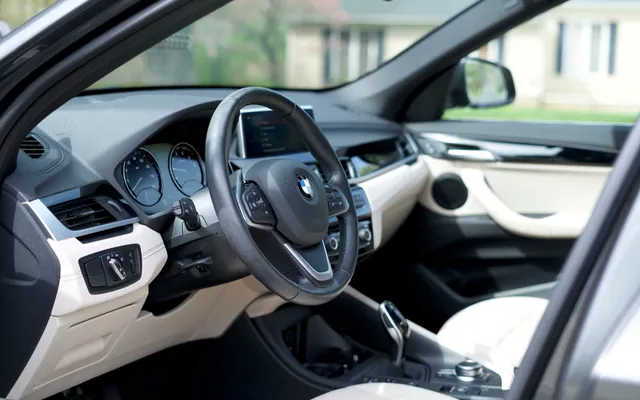
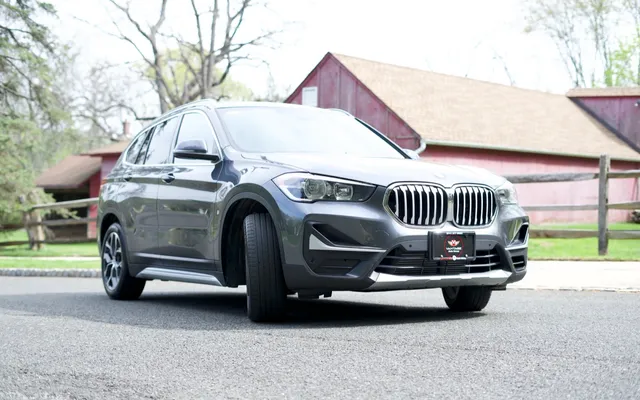
BMW is structured differently because it is a luxury line. A certified BMW adds a one-year, unlimited-mile CPO limited warranty on top of the remainder of the original four-year or 50,000-mile factory warranty. To qualify, the car generally has to be five model years old or newer with roughly 300 to 60,000 miles. That unlimited-mile piece is genuinely useful if you rack up highway miles.
Notice the pattern. The mainstream brands lead with a long powertrain term. The luxury program leads with unlimited miles but a shorter overall window. Neither is better in the abstract; the right one depends on how you actually drive. For the bigger question of whether to buy certified at all, see certified pre-owned vs a used car.
What a CPO warranty does not cover
No warranty covers everything, and the exclusions are consistent across brands. Do not let a CPO badge lull you into thinking every future repair is free.
- Wear-and-tear items: brake pads, brake rotors, wiper blades, and tires are considered normal wear and are generally not covered.
- Routine maintenance: oil changes, filters, fluids, and scheduled service are on you.
- Damage from accidents, misuse, or neglect: collision damage, skipped maintenance, and abuse void the claim.
- Aftermarket parts and modifications: non-factory parts and tuning can knock out coverage on the affected systems.
- Cosmetic wear: small dings, interior scuffs, and paint chips are not warranty items.
If a salesperson tells you a CPO warranty means you will never pay for a repair again, that is your signal to slow down and read the actual booklet.
CPO warranty vs an extended warranty
These two get blended together on the showroom floor, usually on purpose, so here is the clean version.
A CPO warranty is factory-backed and tied to certification. The car had to pass the brand inspection to earn it, and the automaker honors it at any franchise dealer. An extended warranty, more accurately a vehicle service contract, is an add-on product you buy separately. It requires no certification, it can be attached to almost any used car, and it is frequently sold by a third-party company rather than the manufacturer.
Each has a role. A third-party service contract often lets you choose your own repair shop and can stretch coverage further into long-term ownership, which matters if you plan to keep the car seven years or more. The factory CPO warranty usually delivers a smoother claim and factory parts, but it points you back to the brand's dealers.
Here is the trap I want New Jersey buyers to avoid. Some dealers run a private-label "CPO" program that is really just a repackaged extended warranty with no manufacturer support behind it. You can end up paying a certified premium for coverage you could have bought cheaper on its own. Always confirm the certification is backed by the automaker, not the store.
So is CPO worth it?
The honest answer: sometimes yes, sometimes no. CPO makes the most sense on a newer used vehicle you plan to keep for a few years, where the factory inspection and warranty buy you real peace of mind during the early ownership window. It makes less sense when the price jump over an identical non-certified car is steep, or when you plan to keep the vehicle long past the CPO term, where a separate service contract might cover more for longer.
The move is simple: price the certified car against the same model without certification, read both warranty layers, confirm the inspection is real and factory-backed, and then decide.